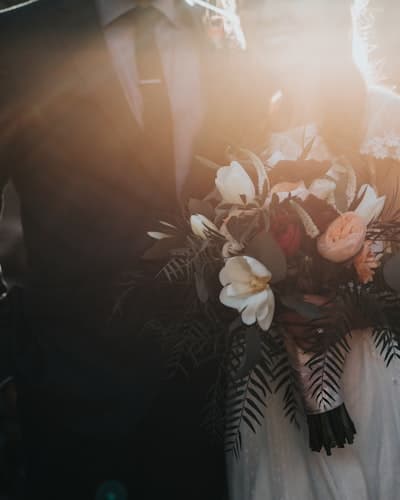
Planning a winter wedding is a beautiful choice, but it often comes with one big floral question: What kind of bouquet actually works in winter? Many engaged couples worry that cold weather limits their options or that winter florals will feel dull compared to spring or summer. In reality, winter wedding bouquets are some of the most visually rich, textured, and memorable designs of the entire year. Winter allows florals to shine through depth, contrast, and intentional styling rather than sheer abundance.
From snow-dusted evergreens to romantic whites, moody jewel tones, and unexpected textures, winter bouquets offer incredible creative freedom. The key is understanding which styles align with the season, your venue, and real U.S. winter wedding conditions. Wedwinks thoughtfully curated winter wedding bouquets, each explained individually so you can confidently visualize what works best for your celebration.
47 Stunning Winter Wedding Bouquets You’ll Fall in Love With
Winter weddings offer a unique kind of beauty, and your bouquet plays a major role in bringing that seasonal charm to life. From rich textures and cozy greenery to elegant whites and unexpected pops of color, winter florals create a look that feels intentional and timeless. Choosing the right bouquet isn’t just about style—it’s about selecting flowers that complement the season, your venue, and the overall mood of your celebration. These winter wedding bouquets are designed to inspire confident choices that look stunning and hold up beautifully on your wedding day.
1. Classic White Rose and Evergreen Bouquet
This timeless bouquet pairs white roses with seasonal evergreen foliage to create one of the most elegant winter wedding bouquets. The contrast between crisp white blooms and deep green needles feels refined, balanced, and unmistakably seasonal. This style works especially well for church weddings and formal venues where tradition matters. Evergreens also hold up beautifully in cold temperatures, making them a practical choice for outdoor photos. Brides who want a clean, classic look that still feels winter-appropriate often gravitate toward this combination.
2. Ivory Ranunculus with Soft Eucalyptus
Ivory ranunculus brings romance and softness, while eucalyptus adds movement and muted winter texture. This bouquet feels light and airy without looking out of place in colder months, which makes it a popular choice for modern winter wedding bouquets. The neutral tones photograph beautifully in natural light and pair well with minimalist gowns. Eucalyptus also adds a subtle fragrance that many couples love. This style suits city weddings and contemporary venues particularly well.
3. All-White Garden Rose Winter Bouquet
Garden roses create a lush, layered look that feels luxurious even in winter. When designed in varying shades of white and cream, this bouquet gains depth without needing color. Among winter wedding bouquets, this one is favored for black-tie and ballroom weddings. The fullness of garden roses holds up well in cool temperatures. Brides who want a dramatic yet timeless floral moment often choose this style.
4. White Anemone and Greenery Bouquet
Anemones are a winter favorite because of their bold centers and clean white petals. Paired with greenery, they create contrast that feels graphic and modern. This bouquet style stands out beautifully in winter photography, especially against darker venues or evening lighting. It’s a great option for brides who want something classic with a twist. Anemones also handle cold weather better than many delicate blooms.
5. Hydrangea and Rose Winter Blend
Hydrangeas add volume and softness, while roses keep the bouquet structured and elegant. In winter wedding bouquets, this combination works best in neutral palettes to avoid looking too summery. Florists often balance hydrangeas with greenery to maintain a seasonal feel. This bouquet suits brides who want fullness without dramatic color. It works well for indoor winter ceremonies.
6. Deep Burgundy Rose Bouquet
Burgundy roses feel rich, romantic, and perfectly suited for winter weddings. This bouquet brings warmth and drama, especially for evening ceremonies or candlelit venues. Among winter wedding bouquets, burgundy roses are a favorite for December and January celebrations. The color pairs beautifully with velvet, lace, and heavier winter fabrics. Brides seeking a bold but classic look often choose this style.
7. Plum and Wine Winter Bouquet
Plum and wine tones create depth and visual interest without feeling overly dark. This bouquet feels luxurious and romantic, especially when softened with greenery or neutral accents. It’s ideal for couples embracing moody winter aesthetics. These tones photograph beautifully in low winter light. This style works well for formal and semi-formal winter weddings.
8. Classic Red Rose Winter Bouquet
A red rose bouquet feels timeless, confident, and striking in winter settings. It stands out beautifully against snow, neutral décor, and darker venues. Among winter wedding bouquets, this choice is bold yet traditional. It’s particularly popular for holiday-season weddings. Brides who want a powerful, iconic look often choose red roses.
9. Dark Berry and Seasonal Greenery Bouquet
Berries add texture, movement, and unmistakable winter character. When combined with greenery, this bouquet feels organic and seasonal rather than decorative. It’s a favorite for outdoor winter weddings and rustic venues. Berries also hold up well in cold temperatures. This style adds interest without relying heavily on blooms.
10. Midnight Blue and White Winter Bouquet
Deep blue florals paired with white blooms create a dramatic winter contrast. This bouquet feels elegant and unexpected without straying too far from tradition. It works especially well for evening weddings and formal venues. The color palette feels rich and sophisticated. Brides looking for a unique winter bouquet often love this option.
11. Pine and Cedar Greenery Bouquet
This bouquet relies almost entirely on winter greenery, making it one of the most seasonal winter wedding bouquets available. Pine and cedar bring texture, scent, and structure. It’s ideal for mountain, lodge, or rustic winter weddings. The greenery holds up extremely well in cold weather. Brides seeking a natural, outdoorsy look gravitate toward this style.
12. Juniper and Berry Winter Bouquet
Juniper berries add subtle color and a wintry feel without overpowering the bouquet. This style feels organic and grounded, perfect for nature-inspired weddings. It pairs beautifully with neutral gowns and winter venues. Juniper also adds fragrance and texture. This bouquet feels intentional and seasonal.
13. Cascading Eucalyptus Winter Bouquet
A cascading eucalyptus bouquet adds movement and softness to winter wedding bouquets. The flowing shape feels elegant and modern at the same time. Eucalyptus’s muted tone keeps it winter-appropriate. This style pairs beautifully with minimalist gowns. It’s also a cost-effective choice when blooms are limited.
14. Fir and Magnolia Leaf Bouquet
Magnolia leaves add shine and structure, while fir brings softness and texture. This bouquet feels polished and refined, making it perfect for formal winter weddings. The combination photographs beautifully under both natural and artificial light. It’s a favorite for elegant venues. Brides wanting structure without stiffness often choose this style.
15. Mixed Evergreen Winter Bouquet
Combining multiple evergreens creates depth and visual interest. This bouquet feels lush without relying on flowers. It’s practical, durable, and unmistakably wintery. Among winter wedding bouquets, this is one of the most weather-resistant options. It works well for outdoor ceremonies.
16. Cream and Champagne Rose Bouquet
Warm neutral tones keep winter bouquets from feeling cold or stark. Cream and champagne roses add softness and elegance. This bouquet pairs beautifully with gold accents and winter décor. It suits both traditional and modern weddings. Brides seeking understated luxury often choose this palette.
17. White Ranunculus and Dusty Miller Bouquet
Dusty miller adds a silvery texture that feels perfectly suited for winter. Paired with white ranunculus, the bouquet feels soft and romantic. This style is popular for January and February weddings. It photographs beautifully in winter light. Brides love its gentle contrast.
18. Neutral Garden Mix Winter Bouquet
This bouquet combines ivory, cream, and soft beige blooms for layered depth. It feels organic and refined without bold color. Among winter wedding bouquets, this style offers versatility across venues. Greenery helps ground the neutral palette. It works beautifully indoors.
19. White Tulip Winter Bouquet
Tulips offer clean lines and modern simplicity. When sourced carefully, they work well in winter bouquets. Paired with greenery, they feel intentional rather than spring-like. This style suits minimalist brides. It’s especially popular for city weddings.
20. Soft Neutral Cascade Bouquet
A cascading shape adds drama while maintaining a neutral palette. This bouquet feels elegant and formal. It works best for grand winter ceremonies. Texture keeps it visually interesting. Brides seeking movement without color often love this option.
21. Cotton and Evergreen Winter Bouquet
Cotton stems add softness and a cozy winter feel. Combined with greenery, this bouquet feels rustic yet elevated. It’s popular for barn and lodge weddings. Cotton holds up well in cold weather. This style feels warm and seasonal.
22. Dried Grass Winter Bouquet
Dried grasses bring texture and modern appeal. They perform exceptionally well in winter conditions. This bouquet suits boho and minimalist weddings. It feels intentional and artistic. Brides who want something different often choose this style.
23. Seed Pod and Greenery Bouquet
Seed pods add sculptural interest and depth. This bouquet feels organic and unique. It’s ideal for couples who want non-traditional winter wedding bouquets. Greenery keeps the look balanced. It works well for modern venues.
24. Ornamental Kale Winter Bouquet
Ornamental kale adds bold texture and muted color. This bouquet feels contemporary and unexpected. It pairs well with greenery and neutral blooms. Kale holds up extremely well in winter. This option suits modern winter weddings.
25. Fern and Winter Branch Bouquet
Ferns and branches create a woodland-inspired look. This bouquet feels natural and whimsical. It’s perfect for outdoor winter ceremonies. Texture is the main focus rather than flowers. Brides seeking an organic aesthetic love this style.
26. Blush and Burgundy Winter Bouquet
Blush tones soften the richness of burgundy. This bouquet feels romantic and balanced. It suits both daytime and evening winter weddings. Greenery keeps the palette grounded. This style is popular with classic-romantic brides.
27. Dusty Rose Winter Bouquet
Dusty rose feels subtle and refined in winter. It adds warmth without overpowering the season. Paired with greenery, it feels balanced and elegant. This bouquet suits romantic winter weddings. Brides love its softness.
28. Mauve and Ivory Winter Bouquet
Mauve is a soft yet sophisticated color that works beautifully in winter without overpowering the season. When paired with ivory blooms, this bouquet feels romantic, balanced, and intentionally muted. The cooler undertones of mauve complement winter light, making it photograph exceptionally well indoors and outdoors. Greenery helps anchor the palette so it still feels seasonal. This bouquet is ideal for brides who want color without bold contrast.
29. Peach and Winter Greenery Bouquet
Peach brings unexpected warmth to winter wedding bouquets, especially when paired with deep green foliage. This combination feels cozy rather than summery when tones are kept muted and dusty. It works especially well for late-winter weddings transitioning toward spring. The greenery grounds the softness of peach, creating balance and depth. Brides who want a gentle pop of warmth often gravitate toward this style.
30. Lavender Accent Winter Bouquet
Lavender offers a calm, understated color that feels elegant in winter when used sparingly. Paired with neutral blooms and seasonal greenery, it creates a serene and romantic bouquet. This style works beautifully for intimate weddings and soft winter palettes. Lavender’s muted tone prevents the bouquet from feeling out of season. It’s a lovely option for brides drawn to subtle color rather than high contrast.
31. Emerald and White Winter Bouquet
Emerald greenery paired with crisp white blooms creates a rich, luxurious winter look. This bouquet feels especially striking in formal venues with darker interiors or evening lighting. The contrast between deep green and white feels timeless and polished. It pairs beautifully with structured gowns and winter fabrics like satin or velvet. Brides seeking classic elegance with seasonal depth love this option.
32. Mustard and Green Winter Bouquet
Mustard tones add warmth and personality to winter wedding bouquets without feeling overwhelming. When balanced with greenery, the color feels grounded and intentional rather than trendy. This bouquet works well for creative couples planning modern winter weddings. It adds interest against neutral décor and winter landscapes. Brides looking for a bold yet earthy palette often choose this style.
33. Terracotta and Evergreen Bouquet
Terracotta brings a grounded, earthy warmth that pairs beautifully with winter greens. This combination feels modern and organic, especially for indoor winter weddings. The muted tone keeps the bouquet from feeling autumnal when paired with evergreens. It works well for couples embracing a natural, contemporary aesthetic. This bouquet feels cozy, intentional, and design-forward.
34. Coral Accent Winter Bouquet
Coral can work in winter when used thoughtfully and paired with strong seasonal elements. In small doses, it adds brightness and energy to an otherwise neutral palette. Greenery helps balance the warmth and keep the bouquet seasonally appropriate. This style works best for indoor winter weddings with controlled lighting. Brides wanting a cheerful touch often love this look.
35. Berry Red and Neutral Winter Bouquet
Berry red adds richness and warmth without the intensity of true crimson. When combined with neutral blooms, the bouquet feels festive yet refined. This style is especially popular for December and January weddings. Texture from greenery or berries enhances the winter feel. It’s a great option for brides who want seasonal color without overpowering drama.
36. Single Bloom Winter Bouquet
A single bloom bouquet makes a bold, minimalist statement that feels modern and intentional. This style works particularly well for courthouse weddings or intimate winter celebrations. The focus is on form, shape, and symbolism rather than abundance. Seasonal greenery or ribbon can add a subtle winter context. Brides who value simplicity and design often choose this look.
37. Hand-Tied Greenery Winter Bouquet
A hand-tied greenery bouquet feels effortless, organic, and perfectly suited for winter. Without relying on blooms, it highlights texture and movement instead. This option is practical, durable, and budget-friendly. It works beautifully for outdoor ceremonies and rustic venues. Brides seeking a natural, unfussy aesthetic love this style.
38. Asymmetrical Winter Bouquet
An asymmetrical bouquet adds movement and an artistic feel to winter florals. This style feels less formal and more expressive, making it ideal for modern weddings. Texture plays a key role, often mixing greenery with selective blooms. The shape photographs beautifully in motion. Brides drawn to editorial or contemporary looks often favor this option.
39. Neutral Monochrome Winter Bouquet
A monochrome bouquet uses varying shades of one color to create depth and cohesion. Texture becomes the focal point, ensuring the design doesn’t feel flat. This style feels refined and modern, especially in winter settings. It pairs beautifully with minimalist gowns. Brides who love clean, curated aesthetics often choose monochrome bouquets.
40. Sculptural Winter Bouquet
Sculptural bouquets focus on strong lines, structured stems, and intentional negative space. This style feels fashion-forward and bold, making it ideal for modern winter weddings. Texture replaces softness, creating visual interest without excess. It pairs best with architectural gowns. Brides seeking a statement accessory love this approach.
41. Oversized Winter Wedding Bouquet
An oversized bouquet creates drama and presence, especially in formal winter venues. Winter textures help balance the size so it feels intentional rather than overwhelming. This style works best with simple gowns that allow the bouquet to shine. It makes a strong visual impact in photos. Brides wanting a grand, unforgettable look often choose this option.
42. Cascading Evergreen Statement Bouquet
A cascading evergreen bouquet adds elegance, movement, and a strong winter identity. The length creates drama without relying on delicate blooms. This style pairs beautifully with classic silhouettes and long aisles. It’s especially striking in church or estate weddings. Brides seeking timeless drama gravitate toward this look.
43. Mixed Texture Winter Statement Bouquet
This bouquet combines blooms, greenery, and unexpected textures for a layered, dimensional look. It feels rich, artistic, and intentionally designed. Winter elements like berries or branches ground the arrangement seasonally. This style suits couples who want something unique but still elegant. It works well in both modern and rustic venues.
44. Jewel-Tone Winter Statement Bouquet
Jewel tones like emerald, plum, and sapphire feel luxurious and bold in winter settings. This bouquet stands out beautifully against neutral décor and winter landscapes. Greenery balances the richness of the colors. It’s ideal for evening weddings and formal celebrations. Brides who love drama and color often choose this style.
45. Floral and Berry Winter Statement Bouquet
Berries add movement, texture, and unmistakable winter character to statement bouquets. Combined with florals, they create a design that feels festive yet sophisticated. This style works beautifully for seasonal celebrations without feeling themed. It holds up well in cold temperatures. Brides love its depth and visual interest.
46. Neutral Winter Wildflower Bouquet
A winter wildflower bouquet feels loose, natural, and relaxed while still being seasonally appropriate. Using winter-friendly blooms and greenery keeps the design intentional. This style suits casual or intimate winter weddings. Texture replaces color for interest. Brides seeking an organic, effortless look often choose this option.
47. Personalized Winter Wedding Bouquet
A personalized bouquet incorporates elements that reflect the couple’s story, making it deeply meaningful. Winter textures help ground custom details within the season. This style feels one-of-a-kind and emotionally significant. It works with any wedding aesthetic when designed thoughtfully. Brides who value sentiment often treasure this choice most.
Why Winter Wedding Bouquets Are Truly Unique?
Winter wedding bouquets stand apart because they rely on texture, structure, and seasonal elements rather than fragile blooms alone. Cooler temperatures often help bouquets last longer during the day, but they also require smarter flower selection and design. Florists lean heavily on greenery, berries, and hardy blooms to create arrangements that feel lush, elegant, and winter-appropriate.
Another advantage of winter bouquets is versatility. Whether you’re hosting a church ceremony in New England, a mountain wedding in Colorado, or a city celebration in Chicago or New York, winter florals adapt beautifully to both formal and modern settings. When planned well, winter wedding bouquets feel intentional, cozy, and elevated rather than limited by season.
Frequently Asked Questions About Winter Wedding Bouquets
1. What flowers work best for winter wedding bouquets in cold weather? Winter wedding bouquets perform best when they include cold-tolerant blooms and sturdy greenery. Flowers like roses, ranunculus, anemones, and orchids hold up well in cooler temperatures, especially when paired with evergreens, eucalyptus, or magnolia leaves. Florists often design winter bouquets with texture in mind, using greenery and structural elements to reduce reliance on delicate blooms. This approach ensures bouquets stay fresh throughout the ceremony and photo sessions, even in colder climates.
2. Are winter wedding bouquets more expensive than other seasons? Not necessarily. While some popular spring flowers may cost more in winter, many winter wedding bouquets are designed using seasonal greenery and readily available blooms, which can help balance costs. Evergreens, berries, and foliage are often more affordable and abundant in winter months. Couples who lean into seasonal design instead of forcing out-of-season flowers often find winter bouquets to be budget-friendly. Early conversations with your florist are key to managing expectations and costs.
3. Can winter wedding bouquets be used for outdoor ceremonies and photos? Yes, winter wedding bouquets can absolutely be used outdoors with proper planning. Florists typically recommend limiting outdoor exposure time and choosing hardy flowers that won’t bruise or wilt quickly in cold air. Many couples plan to step outside briefly for photos while keeping bouquets stored in a protected space before and after. With the right design and timing, winter bouquets photograph beautifully against snowy or neutral backdrops.
4. How far in advance should I plan my winter wedding bouquet? Most florists suggest finalizing winter wedding bouquets about six to eight weeks before the wedding. This timeline allows time to confirm flower availability, finalize color palettes, and adjust designs based on weather or supply considerations. Winter weddings often coincide with holidays, which can impact floral sourcing, so earlier planning is always beneficial. Sharing your full wedding timeline helps florists design bouquets that work seamlessly throughout the day.
5. How do I make sure my winter bouquet matches my overall wedding style? To ensure your winter wedding bouquet feels cohesive, start by considering your venue, attire, and overall color palette. Winter bouquets should complement seasonal elements like décor, lighting, and fabrics rather than compete with them. Bringing inspiration photos and discussing your priorities—such as texture, color, or formality—helps your florist guide the design. When the bouquet aligns with the rest of your wedding details, it feels intentional and elevated rather than simply decorative.
Final Thoughts
Choosing the right winter wedding bouquets is about embracing the season rather than fighting it. Winter offers texture, depth, and drama that other seasons simply can’t replicate. Whether your style is classic, modern, bold, or minimalist, winter florals allow you to create a bouquet that feels intentional, durable, and beautiful.
With thoughtful planning and the right floral guidance, your winter bouquet can become one of the most memorable details of your wedding day—one that looks stunning in photos and feels perfectly aligned with your celebration.
47 Stunning Winter Wedding Bouquets For Your Big Day
Planning a winter wedding is a beautiful choice, but it often comes with one big floral question: What kind of bouquet actually works in winter? Many engaged couples worry that cold weather limits their options or that winter florals will feel dull compared to spring or summer. In reality, winter wedding bouquets are some of the most visually rich, textured, and memorable designs of the entire year. Winter allows florals to shine through depth, contrast, and intentional styling rather than sheer abundance.
From snow-dusted evergreens to romantic whites, moody jewel tones, and unexpected textures, winter bouquets offer incredible creative freedom. The key is understanding which styles align with the season, your venue, and real U.S. winter wedding conditions. Wedwinks thoughtfully curated winter wedding bouquets, each explained individually so you can confidently visualize what works best for your celebration.
Table of Contents
47 Stunning Winter Wedding Bouquets You’ll Fall in Love With
Winter weddings offer a unique kind of beauty, and your bouquet plays a major role in bringing that seasonal charm to life. From rich textures and cozy greenery to elegant whites and unexpected pops of color, winter florals create a look that feels intentional and timeless. Choosing the right bouquet isn’t just about style—it’s about selecting flowers that complement the season, your venue, and the overall mood of your celebration. These winter wedding bouquets are designed to inspire confident choices that look stunning and hold up beautifully on your wedding day.
1. Classic White Rose and Evergreen Bouquet
This timeless bouquet pairs white roses with seasonal evergreen foliage to create one of the most elegant winter wedding bouquets. The contrast between crisp white blooms and deep green needles feels refined, balanced, and unmistakably seasonal. This style works especially well for church weddings and formal venues where tradition matters. Evergreens also hold up beautifully in cold temperatures, making them a practical choice for outdoor photos. Brides who want a clean, classic look that still feels winter-appropriate often gravitate toward this combination.
2. Ivory Ranunculus with Soft Eucalyptus
Ivory ranunculus brings romance and softness, while eucalyptus adds movement and muted winter texture. This bouquet feels light and airy without looking out of place in colder months, which makes it a popular choice for modern winter wedding bouquets. The neutral tones photograph beautifully in natural light and pair well with minimalist gowns. Eucalyptus also adds a subtle fragrance that many couples love. This style suits city weddings and contemporary venues particularly well.
3. All-White Garden Rose Winter Bouquet
Garden roses create a lush, layered look that feels luxurious even in winter. When designed in varying shades of white and cream, this bouquet gains depth without needing color. Among winter wedding bouquets, this one is favored for black-tie and ballroom weddings. The fullness of garden roses holds up well in cool temperatures. Brides who want a dramatic yet timeless floral moment often choose this style.
4. White Anemone and Greenery Bouquet
Anemones are a winter favorite because of their bold centers and clean white petals. Paired with greenery, they create contrast that feels graphic and modern. This bouquet style stands out beautifully in winter photography, especially against darker venues or evening lighting. It’s a great option for brides who want something classic with a twist. Anemones also handle cold weather better than many delicate blooms.
5. Hydrangea and Rose Winter Blend
Hydrangeas add volume and softness, while roses keep the bouquet structured and elegant. In winter wedding bouquets, this combination works best in neutral palettes to avoid looking too summery. Florists often balance hydrangeas with greenery to maintain a seasonal feel. This bouquet suits brides who want fullness without dramatic color. It works well for indoor winter ceremonies.
6. Deep Burgundy Rose Bouquet
Burgundy roses feel rich, romantic, and perfectly suited for winter weddings. This bouquet brings warmth and drama, especially for evening ceremonies or candlelit venues. Among winter wedding bouquets, burgundy roses are a favorite for December and January celebrations. The color pairs beautifully with velvet, lace, and heavier winter fabrics. Brides seeking a bold but classic look often choose this style.
7. Plum and Wine Winter Bouquet
Plum and wine tones create depth and visual interest without feeling overly dark. This bouquet feels luxurious and romantic, especially when softened with greenery or neutral accents. It’s ideal for couples embracing moody winter aesthetics. These tones photograph beautifully in low winter light. This style works well for formal and semi-formal winter weddings.
8. Classic Red Rose Winter Bouquet
A red rose bouquet feels timeless, confident, and striking in winter settings. It stands out beautifully against snow, neutral décor, and darker venues. Among winter wedding bouquets, this choice is bold yet traditional. It’s particularly popular for holiday-season weddings. Brides who want a powerful, iconic look often choose red roses.
9. Dark Berry and Seasonal Greenery Bouquet
Berries add texture, movement, and unmistakable winter character. When combined with greenery, this bouquet feels organic and seasonal rather than decorative. It’s a favorite for outdoor winter weddings and rustic venues. Berries also hold up well in cold temperatures. This style adds interest without relying heavily on blooms.
10. Midnight Blue and White Winter Bouquet
Deep blue florals paired with white blooms create a dramatic winter contrast. This bouquet feels elegant and unexpected without straying too far from tradition. It works especially well for evening weddings and formal venues. The color palette feels rich and sophisticated. Brides looking for a unique winter bouquet often love this option.
11. Pine and Cedar Greenery Bouquet
This bouquet relies almost entirely on winter greenery, making it one of the most seasonal winter wedding bouquets available. Pine and cedar bring texture, scent, and structure. It’s ideal for mountain, lodge, or rustic winter weddings. The greenery holds up extremely well in cold weather. Brides seeking a natural, outdoorsy look gravitate toward this style.
12. Juniper and Berry Winter Bouquet
Juniper berries add subtle color and a wintry feel without overpowering the bouquet. This style feels organic and grounded, perfect for nature-inspired weddings. It pairs beautifully with neutral gowns and winter venues. Juniper also adds fragrance and texture. This bouquet feels intentional and seasonal.
13. Cascading Eucalyptus Winter Bouquet
A cascading eucalyptus bouquet adds movement and softness to winter wedding bouquets. The flowing shape feels elegant and modern at the same time. Eucalyptus’s muted tone keeps it winter-appropriate. This style pairs beautifully with minimalist gowns. It’s also a cost-effective choice when blooms are limited.
14. Fir and Magnolia Leaf Bouquet
Magnolia leaves add shine and structure, while fir brings softness and texture. This bouquet feels polished and refined, making it perfect for formal winter weddings. The combination photographs beautifully under both natural and artificial light. It’s a favorite for elegant venues. Brides wanting structure without stiffness often choose this style.
15. Mixed Evergreen Winter Bouquet
Combining multiple evergreens creates depth and visual interest. This bouquet feels lush without relying on flowers. It’s practical, durable, and unmistakably wintery. Among winter wedding bouquets, this is one of the most weather-resistant options. It works well for outdoor ceremonies.
16. Cream and Champagne Rose Bouquet
Warm neutral tones keep winter bouquets from feeling cold or stark. Cream and champagne roses add softness and elegance. This bouquet pairs beautifully with gold accents and winter décor. It suits both traditional and modern weddings. Brides seeking understated luxury often choose this palette.
17. White Ranunculus and Dusty Miller Bouquet
Dusty miller adds a silvery texture that feels perfectly suited for winter. Paired with white ranunculus, the bouquet feels soft and romantic. This style is popular for January and February weddings. It photographs beautifully in winter light. Brides love its gentle contrast.
18. Neutral Garden Mix Winter Bouquet
This bouquet combines ivory, cream, and soft beige blooms for layered depth. It feels organic and refined without bold color. Among winter wedding bouquets, this style offers versatility across venues. Greenery helps ground the neutral palette. It works beautifully indoors.
19. White Tulip Winter Bouquet
Tulips offer clean lines and modern simplicity. When sourced carefully, they work well in winter bouquets. Paired with greenery, they feel intentional rather than spring-like. This style suits minimalist brides. It’s especially popular for city weddings.
20. Soft Neutral Cascade Bouquet
A cascading shape adds drama while maintaining a neutral palette. This bouquet feels elegant and formal. It works best for grand winter ceremonies. Texture keeps it visually interesting. Brides seeking movement without color often love this option.
21. Cotton and Evergreen Winter Bouquet
Cotton stems add softness and a cozy winter feel. Combined with greenery, this bouquet feels rustic yet elevated. It’s popular for barn and lodge weddings. Cotton holds up well in cold weather. This style feels warm and seasonal.
22. Dried Grass Winter Bouquet
Dried grasses bring texture and modern appeal. They perform exceptionally well in winter conditions. This bouquet suits boho and minimalist weddings. It feels intentional and artistic. Brides who want something different often choose this style.
23. Seed Pod and Greenery Bouquet
Seed pods add sculptural interest and depth. This bouquet feels organic and unique. It’s ideal for couples who want non-traditional winter wedding bouquets. Greenery keeps the look balanced. It works well for modern venues.
24. Ornamental Kale Winter Bouquet
Ornamental kale adds bold texture and muted color. This bouquet feels contemporary and unexpected. It pairs well with greenery and neutral blooms. Kale holds up extremely well in winter. This option suits modern winter weddings.
25. Fern and Winter Branch Bouquet
Ferns and branches create a woodland-inspired look. This bouquet feels natural and whimsical. It’s perfect for outdoor winter ceremonies. Texture is the main focus rather than flowers. Brides seeking an organic aesthetic love this style.
26. Blush and Burgundy Winter Bouquet
Blush tones soften the richness of burgundy. This bouquet feels romantic and balanced. It suits both daytime and evening winter weddings. Greenery keeps the palette grounded. This style is popular with classic-romantic brides.
27. Dusty Rose Winter Bouquet
Dusty rose feels subtle and refined in winter. It adds warmth without overpowering the season. Paired with greenery, it feels balanced and elegant. This bouquet suits romantic winter weddings. Brides love its softness.
28. Mauve and Ivory Winter Bouquet
Mauve is a soft yet sophisticated color that works beautifully in winter without overpowering the season. When paired with ivory blooms, this bouquet feels romantic, balanced, and intentionally muted. The cooler undertones of mauve complement winter light, making it photograph exceptionally well indoors and outdoors. Greenery helps anchor the palette so it still feels seasonal. This bouquet is ideal for brides who want color without bold contrast.
29. Peach and Winter Greenery Bouquet
Peach brings unexpected warmth to winter wedding bouquets, especially when paired with deep green foliage. This combination feels cozy rather than summery when tones are kept muted and dusty. It works especially well for late-winter weddings transitioning toward spring. The greenery grounds the softness of peach, creating balance and depth. Brides who want a gentle pop of warmth often gravitate toward this style.
30. Lavender Accent Winter Bouquet
Lavender offers a calm, understated color that feels elegant in winter when used sparingly. Paired with neutral blooms and seasonal greenery, it creates a serene and romantic bouquet. This style works beautifully for intimate weddings and soft winter palettes. Lavender’s muted tone prevents the bouquet from feeling out of season. It’s a lovely option for brides drawn to subtle color rather than high contrast.
31. Emerald and White Winter Bouquet
Emerald greenery paired with crisp white blooms creates a rich, luxurious winter look. This bouquet feels especially striking in formal venues with darker interiors or evening lighting. The contrast between deep green and white feels timeless and polished. It pairs beautifully with structured gowns and winter fabrics like satin or velvet. Brides seeking classic elegance with seasonal depth love this option.
32. Mustard and Green Winter Bouquet
Mustard tones add warmth and personality to winter wedding bouquets without feeling overwhelming. When balanced with greenery, the color feels grounded and intentional rather than trendy. This bouquet works well for creative couples planning modern winter weddings. It adds interest against neutral décor and winter landscapes. Brides looking for a bold yet earthy palette often choose this style.
33. Terracotta and Evergreen Bouquet
Terracotta brings a grounded, earthy warmth that pairs beautifully with winter greens. This combination feels modern and organic, especially for indoor winter weddings. The muted tone keeps the bouquet from feeling autumnal when paired with evergreens. It works well for couples embracing a natural, contemporary aesthetic. This bouquet feels cozy, intentional, and design-forward.
34. Coral Accent Winter Bouquet
Coral can work in winter when used thoughtfully and paired with strong seasonal elements. In small doses, it adds brightness and energy to an otherwise neutral palette. Greenery helps balance the warmth and keep the bouquet seasonally appropriate. This style works best for indoor winter weddings with controlled lighting. Brides wanting a cheerful touch often love this look.
35. Berry Red and Neutral Winter Bouquet
Berry red adds richness and warmth without the intensity of true crimson. When combined with neutral blooms, the bouquet feels festive yet refined. This style is especially popular for December and January weddings. Texture from greenery or berries enhances the winter feel. It’s a great option for brides who want seasonal color without overpowering drama.
36. Single Bloom Winter Bouquet
A single bloom bouquet makes a bold, minimalist statement that feels modern and intentional. This style works particularly well for courthouse weddings or intimate winter celebrations. The focus is on form, shape, and symbolism rather than abundance. Seasonal greenery or ribbon can add a subtle winter context. Brides who value simplicity and design often choose this look.
37. Hand-Tied Greenery Winter Bouquet
A hand-tied greenery bouquet feels effortless, organic, and perfectly suited for winter. Without relying on blooms, it highlights texture and movement instead. This option is practical, durable, and budget-friendly. It works beautifully for outdoor ceremonies and rustic venues. Brides seeking a natural, unfussy aesthetic love this style.
38. Asymmetrical Winter Bouquet
An asymmetrical bouquet adds movement and an artistic feel to winter florals. This style feels less formal and more expressive, making it ideal for modern weddings. Texture plays a key role, often mixing greenery with selective blooms. The shape photographs beautifully in motion. Brides drawn to editorial or contemporary looks often favor this option.
39. Neutral Monochrome Winter Bouquet
A monochrome bouquet uses varying shades of one color to create depth and cohesion. Texture becomes the focal point, ensuring the design doesn’t feel flat. This style feels refined and modern, especially in winter settings. It pairs beautifully with minimalist gowns. Brides who love clean, curated aesthetics often choose monochrome bouquets.
40. Sculptural Winter Bouquet
Sculptural bouquets focus on strong lines, structured stems, and intentional negative space. This style feels fashion-forward and bold, making it ideal for modern winter weddings. Texture replaces softness, creating visual interest without excess. It pairs best with architectural gowns. Brides seeking a statement accessory love this approach.
41. Oversized Winter Wedding Bouquet
An oversized bouquet creates drama and presence, especially in formal winter venues. Winter textures help balance the size so it feels intentional rather than overwhelming. This style works best with simple gowns that allow the bouquet to shine. It makes a strong visual impact in photos. Brides wanting a grand, unforgettable look often choose this option.
42. Cascading Evergreen Statement Bouquet
A cascading evergreen bouquet adds elegance, movement, and a strong winter identity. The length creates drama without relying on delicate blooms. This style pairs beautifully with classic silhouettes and long aisles. It’s especially striking in church or estate weddings. Brides seeking timeless drama gravitate toward this look.
43. Mixed Texture Winter Statement Bouquet
This bouquet combines blooms, greenery, and unexpected textures for a layered, dimensional look. It feels rich, artistic, and intentionally designed. Winter elements like berries or branches ground the arrangement seasonally. This style suits couples who want something unique but still elegant. It works well in both modern and rustic venues.
44. Jewel-Tone Winter Statement Bouquet
Jewel tones like emerald, plum, and sapphire feel luxurious and bold in winter settings. This bouquet stands out beautifully against neutral décor and winter landscapes. Greenery balances the richness of the colors. It’s ideal for evening weddings and formal celebrations. Brides who love drama and color often choose this style.
45. Floral and Berry Winter Statement Bouquet
Berries add movement, texture, and unmistakable winter character to statement bouquets. Combined with florals, they create a design that feels festive yet sophisticated. This style works beautifully for seasonal celebrations without feeling themed. It holds up well in cold temperatures. Brides love its depth and visual interest.
46. Neutral Winter Wildflower Bouquet
A winter wildflower bouquet feels loose, natural, and relaxed while still being seasonally appropriate. Using winter-friendly blooms and greenery keeps the design intentional. This style suits casual or intimate winter weddings. Texture replaces color for interest. Brides seeking an organic, effortless look often choose this option.
47. Personalized Winter Wedding Bouquet
A personalized bouquet incorporates elements that reflect the couple’s story, making it deeply meaningful. Winter textures help ground custom details within the season. This style feels one-of-a-kind and emotionally significant. It works with any wedding aesthetic when designed thoughtfully. Brides who value sentiment often treasure this choice most.
Why Winter Wedding Bouquets Are Truly Unique?
Winter wedding bouquets stand apart because they rely on texture, structure, and seasonal elements rather than fragile blooms alone. Cooler temperatures often help bouquets last longer during the day, but they also require smarter flower selection and design. Florists lean heavily on greenery, berries, and hardy blooms to create arrangements that feel lush, elegant, and winter-appropriate.
Another advantage of winter bouquets is versatility. Whether you’re hosting a church ceremony in New England, a mountain wedding in Colorado, or a city celebration in Chicago or New York, winter florals adapt beautifully to both formal and modern settings. When planned well, winter wedding bouquets feel intentional, cozy, and elevated rather than limited by season.
Frequently Asked Questions About Winter Wedding Bouquets
1. What flowers work best for winter wedding bouquets in cold weather?
Winter wedding bouquets perform best when they include cold-tolerant blooms and sturdy greenery. Flowers like roses, ranunculus, anemones, and orchids hold up well in cooler temperatures, especially when paired with evergreens, eucalyptus, or magnolia leaves. Florists often design winter bouquets with texture in mind, using greenery and structural elements to reduce reliance on delicate blooms. This approach ensures bouquets stay fresh throughout the ceremony and photo sessions, even in colder climates.
2. Are winter wedding bouquets more expensive than other seasons?
Not necessarily. While some popular spring flowers may cost more in winter, many winter wedding bouquets are designed using seasonal greenery and readily available blooms, which can help balance costs. Evergreens, berries, and foliage are often more affordable and abundant in winter months. Couples who lean into seasonal design instead of forcing out-of-season flowers often find winter bouquets to be budget-friendly. Early conversations with your florist are key to managing expectations and costs.
3. Can winter wedding bouquets be used for outdoor ceremonies and photos?
Yes, winter wedding bouquets can absolutely be used outdoors with proper planning. Florists typically recommend limiting outdoor exposure time and choosing hardy flowers that won’t bruise or wilt quickly in cold air. Many couples plan to step outside briefly for photos while keeping bouquets stored in a protected space before and after. With the right design and timing, winter bouquets photograph beautifully against snowy or neutral backdrops.
4. How far in advance should I plan my winter wedding bouquet?
Most florists suggest finalizing winter wedding bouquets about six to eight weeks before the wedding. This timeline allows time to confirm flower availability, finalize color palettes, and adjust designs based on weather or supply considerations. Winter weddings often coincide with holidays, which can impact floral sourcing, so earlier planning is always beneficial. Sharing your full wedding timeline helps florists design bouquets that work seamlessly throughout the day.
5. How do I make sure my winter bouquet matches my overall wedding style?
To ensure your winter wedding bouquet feels cohesive, start by considering your venue, attire, and overall color palette. Winter bouquets should complement seasonal elements like décor, lighting, and fabrics rather than compete with them. Bringing inspiration photos and discussing your priorities—such as texture, color, or formality—helps your florist guide the design. When the bouquet aligns with the rest of your wedding details, it feels intentional and elevated rather than simply decorative.
Final Thoughts
Choosing the right winter wedding bouquets is about embracing the season rather than fighting it. Winter offers texture, depth, and drama that other seasons simply can’t replicate. Whether your style is classic, modern, bold, or minimalist, winter florals allow you to create a bouquet that feels intentional, durable, and beautiful.
With thoughtful planning and the right floral guidance, your winter bouquet can become one of the most memorable details of your wedding day—one that looks stunning in photos and feels perfectly aligned with your celebration.
Post author
Comments
More posts